Structural vs Cosmetic Works
How the classification of building works affects insurance coverage periods and vendor obligations
Why Classification Matters
The distinction between structural and non-structural (cosmetic) works is critical in the context of owner-builder obligations because it directly determines the period of insurance coverage required under Domestic Building Insurance (DBI). The classification is defined by Ministerial Orders made under the Building Act 1993 (Vic).
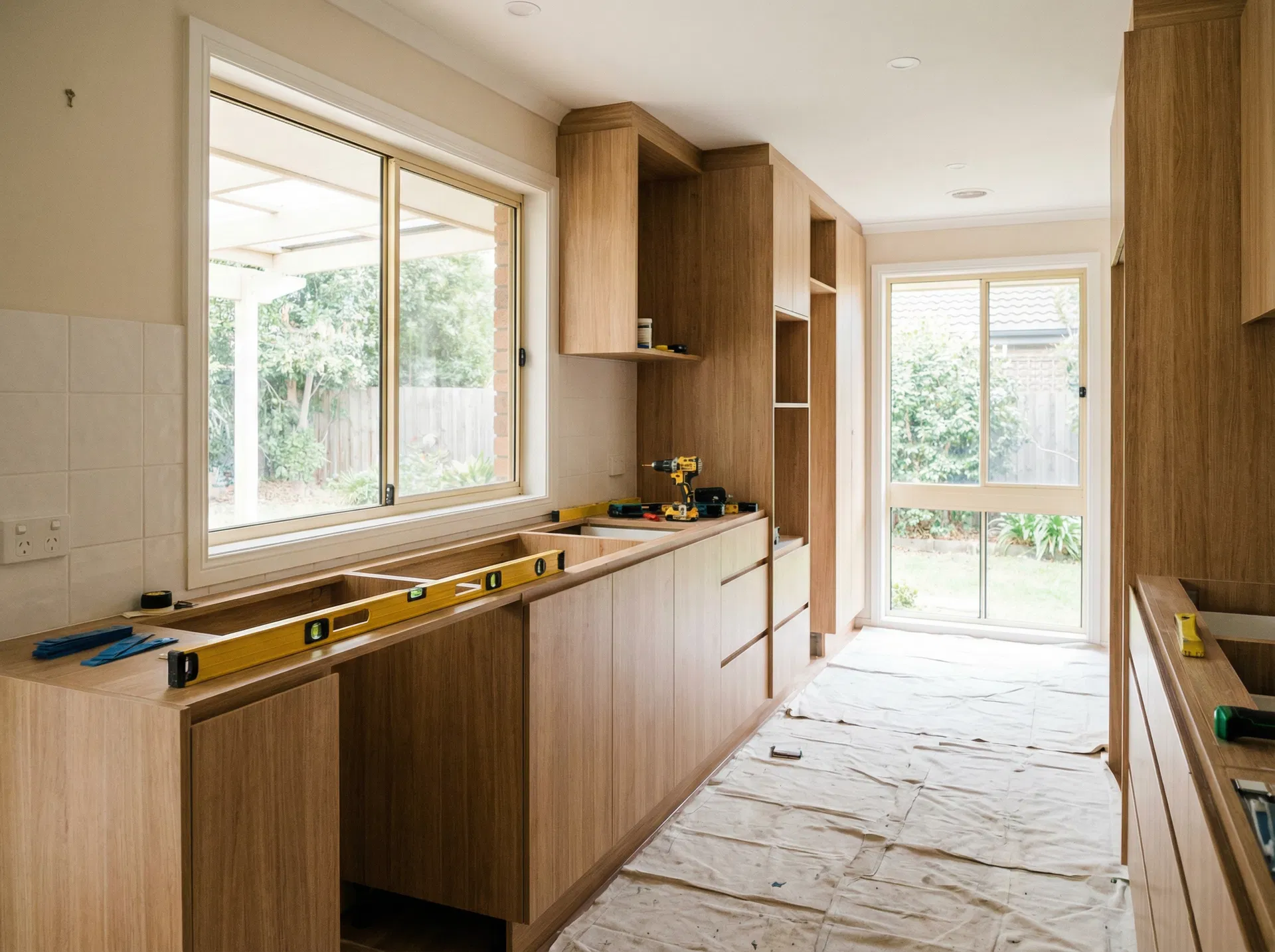
It is important to understand that even cosmetic works — such as a kitchen renovation, bathroom makeover, or new decking — can trigger owner-builder obligations if they were carried out by or managed by the owner without a registered builder engaged under a major domestic building contract. The classification of works as "cosmetic" does not exempt the vendor from the s137B obligations; it only affects the duration of the required insurance coverage.
Structural vs Non-Structural: Key Differences
| Characteristic | Structural Works | Non-Structural (Cosmetic) Works |
|---|---|---|
| Definition | Works that affect the structural integrity or load-bearing capacity of the building | Works that do not affect the structural integrity of the building |
| Insurance Coverage Period | 6 years from completion of work or termination of building contract (whichever is earlier) | 2 years from completion of work or termination of building contract (whichever is earlier) |
| Triggers s137B? | Yes — if carried out as owner-builder within the prescribed period | Yes — if carried out as owner-builder within the prescribed period |
| Defects Report Required? | Yes — regardless of value | Yes — regardless of value |
| Insurance Required? | Yes — if works exceed $16,000 | Yes — if works exceed $16,000 |
Structural Works — Examples
Structural works are those that affect the load-bearing elements of a building or its structural integrity. These typically include:
Insurance coverage: Structural defects are covered under Domestic Building Insurance for a period of 6 years from the earlier of the date of completion of the work or the date of termination of the building contract.
Non-Structural (Cosmetic) Works — Examples
Non-structural works are those that do not affect the structural integrity of the building. Despite being "cosmetic," these works can still trigger owner-builder obligations. Common examples include:
Insurance coverage: Non-structural defects are covered under Domestic Building Insurance for a period of only 2 years from the earlier of the date of completion of the work or the date of termination of the building contract.
Insurance Coverage Timeline
The following diagram illustrates the relationship between the prescribed period under s137B and the insurance coverage periods for structural and non-structural defects:
The Ministerial Order
The distinction between structural and non-structural defects is defined in Ministerial Orders made under the Building Act 1993 (Vic). The current Ministerial Order (effective from 1 July 2024 per Government Gazette GG2024S095) sets out the prescribed amount for insurance purposes and the definitions of structural and non-structural defects.
Government Gazette GG2024S095 — Key Provisions
The prescribed amount for the purposes of s137B(2)(c) is $16,000 (inclusive of materials and labour).
Domestic Building Insurance must provide cover of up to $300,000 for both structural and non-structural defects, with coverage periods of 6 years (structural) and 2 years (non-structural) respectively.
The Ministerial Order also specifies the approved insurers for Domestic Building Insurance. Practitioners should ensure that the insurance obtained by the owner-builder vendor is from an approved insurer and covers the full scope of the works.
On This Page
Insurance Coverage Periods
Practical Note
A property may have both structural and non-structural owner-builder works. In such cases, the vendor must obtain insurance that covers both categories, with the respective coverage periods applying to each type of defect.